
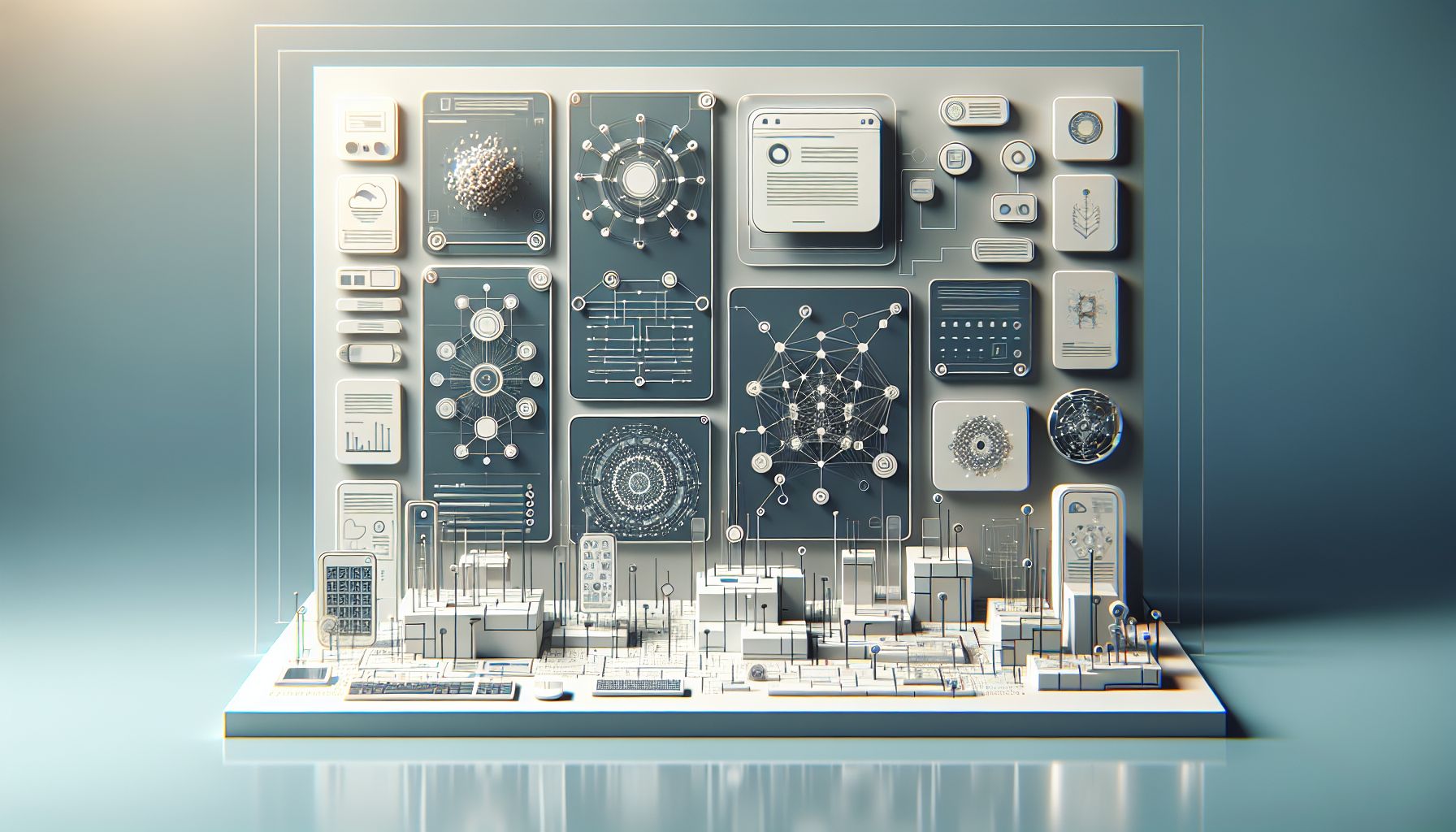
Understanding the Rise of AI-Driven Layouts in 2025
In recent years, the landscape of web design has seen significant shifts, largely due to advances in artificial intelligence. Moving towards 2025, the adoption of AI-driven layouts is expected to become even more pronounced. For businesses, understanding this transition is vital to stay competitive.
Evolution from Static to AI-Powered Design
For years, web design was a manual process, where developers meticulously crafted layouts using static elements. However, as technology advanced, the need for more dynamic and responsive design became evident. Designers and developers began incorporating code-driven solutions to create flexible layouts, but even these required significant effort and expertise.
The advent of AI-powered design eliminates these hurdles by offering layouts that adapt in real-time to user needs. These AI-driven layouts can analyze user behavior and preferences, allowing for instant adjustments without manual intervention. This evolution has not only streamlined workflows but also set new standards in design customization and user engagement.
Market Drivers and Adoption Rates
One of the primary drivers of the shift to AI-driven layouts is the growing demand for personalized user experiences. Consumers today expect websites to cater to their individual preferences, and businesses must meet these expectations to succeed.
Moreover, the efficiency of AI in reducing labor-intensive processes has led to higher adoption rates among businesses large and small. According to market studies, companies that integrate AI-driven design see improvements in both user engagement and operational efficiency. As a result, adoption rates are increasing across industries, from retail to finance.
Relevance for Modern Web Design Professionals
For modern web design professionals, mastering AI-driven design tools is becoming essential. Understanding how these technologies work enables designers to create layouts that are not only visually appealing but also responsive to user needs. Additionally, professionals who leverage AI in their design processes can more easily scale their projects, providing greater value to clients seeking unique online presences.
Underlying AI Technologies for Layout Generation
To fully appreciate AI-driven layouts, it helps to understand the technologies powering them. These technologies include machine learning, natural language processing, and computer vision, each playing a vital role in layout generation.
Machine Learning and Deep Learning Models
Machine learning (ML) and deep learning models are at the core of AI-driven design. These models process vast amounts of data to identify patterns and make predictions. In layout generation, they analyze user interactions and preferences, enabling the system to predict the most effective layout for a particular user or demographic.
For instance, an e-commerce website might use ML to rearrange product displays based on a user's browsing history, thereby improving the chances of a sale. This ability to predict user behavior makes AI a powerful tool in web design.
Natural Language Processing for Content-Aware Layouts
Natural language processing (NLP) allows AI systems to understand and interpret human language. In the context of web design, NLP enables the creation of content-aware layouts that adapt based on the context of the webpage.
For example, a news website might use NLP to rearrange its homepage layout based on trending topics or breaking news, ensuring that users always see the most relevant content. This level of adaptability provides a dynamic user experience that static designs simply cannot match.
Computer Vision in UI Component Recognition
Computer vision technology enables AI to recognize and understand visual elements within a design. This capability is crucial in UI component recognition, where AI can identify and adjust elements like buttons, images, and text boxes to optimize the layout.
For instance, AI can automatically resize images or realign text to ensure a cohesive design across devices—be it desktop, tablet, or mobile. This functional aspect of AI enhances the overall user experience by ensuring the design remains visually appealing regardless of how users access the site.
Advantages of AI-Driven Layouts for Efficiency
As businesses strive for efficiency, the benefits of AI-driven layouts are clear. From automatic responsiveness to personalized experiences, these layouts offer significant advantages.
Automated Responsive Design
AI-driven layouts excel in creating designs that automatically adapt to various screen sizes and resolutions. This feature, known as responsive design, ensures that websites provide an optimal viewing experience on any device.
By automatically adjusting layouts to fit different screens, AI saves designers considerable time and effort. Businesses benefit from reduced development costs and faster deployment, allowing them to focus on other growth strategies.
Personalized and User-Centric Experiences
Personalization is a crucial factor in attracting and retaining users. With AI-driven layouts, businesses can deliver personalized experiences that align with individual user preferences and behaviors.
For instance, a streaming service can use AI to curate a customized home page for each user, based on their viewing history and interests. This level of personalization not only engages users but also increases loyalty and conversion rates.
Collaboration and Handoff Optimization
AI-powered design tools facilitate smoother collaboration between design teams and other stakeholders. By automating repetitive tasks and generating predictable outcomes, AI enables designers to focus on creativity and innovation.
Moreover, AI-driven platforms often integrate seamlessly with other collaborative tools, streamlining the handoff process between designers and developers. This integration reduces misunderstandings and accelerates project timelines.
Leading AI Layout Tools and Platforms
With the rise of AI-driven layouts, several tools and platforms have emerged as leaders in this space.
Figma AI Plugins and Extensions
Figma, a collaborative interface design tool, offers a suite of AI plugins and extensions that enhance its functionality. These AI-driven tools assist designers in tasks such as auto-layout, instant mockups, and user testing, thereby improving both efficiency and output quality.
Adobe Sensei Capabilities
Adobe Sensei, part of Adobe's suite of tools, integrates AI to provide intelligent editing and design features. It assists in tasks like content-aware fills, automated color matching, and design pattern recognition, enabling creatives to focus on strategic design decisions.
Uizard and Emerging Platforms
Uizard is an emerging platform that leverages AI for quick design prototyping. With drag-and-drop features powered by machine learning, Uizard allows users to create working prototypes without extensive coding knowledge.
Beyond Uizard, new platforms are developing, bringing innovative solutions to AI-driven design. These platforms cater to specific needs, whether it's rapid prototyping, detailed data analysis, or user experience testing.
Open-Source Frameworks and APIs
Open-source frameworks and APIs provide designers with flexible tools to integrate AI into their workflows. Projects like TensorFlow and PyTorch offer extensive libraries for machine learning, allowing designers to customize AI applications tailored to their specific design needs.
These open-source options offer an affordable way for businesses to experiment with AI technology and incorporate it into their design processes.
Best Practices for Integrating AI Layouts in Your Workflow
For businesses looking to implement AI-driven layouts, following best practices can ensure a smooth transition and maximize benefits.
Data Collection and Model Training
Effective AI implementation begins with robust data collection and model training. Gaining insights into user behavior, preferences, and interactions provides the foundational data that AI models use to predict and generate optimal layouts.
Businesses can collaborate with data analysts to construct datasets that encapsulate critical user information. Furthermore, iterative model training allows AI systems to refine their accuracy over time, continuously improving layout effectiveness.
Seamless Integration with Design Systems
To fully harness AI-driven layouts, businesses should integrate them seamlessly with existing design systems. Ensuring compatibility between AI tools and design platforms diminishes workflow disruptions and facilitates easier adoption.
Teams should prioritize tools that offer API support and interoperability with popular design software. Establishing guidelines for AI integration will help designers and developers maintain a consistent workflow and product quality.
Maintaining Design Consistency
AI's involvement in design should not compromise brand consistency. Businesses must filter AI outputs through established design guidelines and principles. Utilizing tools that allow customization and manual adjustments alongside AI suggestions can prevent undesired deviations from the brand's visual identity.
Regular design audits and quality checks are advisable to preserve the brand's look and feel, promoting a cohesive user experience across platforms.
Performance Monitoring and Iteration
Continuous performance monitoring is vital for the success of AI-driven layouts. Businesses should establish mechanisms to track user interactions, feedback, and satisfaction metrics. This data can guide future design choices and AI adjustments.
Frequent iteration based on performance insights encourages gradual improvements. Engaging with user feedback and adapting AI models accordingly ensures that design solutions remain relevant and effective.
Navigating Future Trends and Challenges
While AI-driven layouts offer numerous benefits, they also pose new challenges and considerations for the future.
Real-Time Design Adaptation
As AI evolves, the ability to adapt designs in real-time becomes more feasible. Businesses can anticipate instantaneous changes based on user interactions, enhancing the usability and appeal of their websites.
However, real-time adaptation requires advanced infrastructure and processing capabilities, posing technical challenges that businesses must address.
Ethical AI and Bias Mitigation
AI systems rely on data, which may inadvertently introduce bias into design outcomes. Businesses must ensure that AI-driven layouts treat all users equitably and do not perpetuate stereotypes.
Proactively auditing AI inputs and outputs for bias is essential. Training models on diverse datasets and employing fair machine learning techniques can mitigate these risks.
Accessibility Compliance
Ensuring accessibility remains a priority for web design, even with AI integration. AI-driven layouts must accommodate individuals with disabilities, providing inclusive experiences for all users.
Collaboration with accessibility experts to refine AI-generated designs can promote compliance with standards like the Web Content Accessibility Guidelines (WCAG). Focusing on inclusivity fosters positive brand reputation and expands reach.
Standards and Regulations for AI-Driven Design
As AI's role in web design expands, so will scrutiny from regulatory bodies. Businesses should stay informed about emerging standards and regulations affecting AI-driven design.
Engaging with industry groups and participating in discussions about best practices and ethical guidelines can prepare businesses for regulatory changes. Being proactive ensures compliance and builds trust with users.
In conclusion, AI-driven layouts represent a significant transformation in web design, offering exciting possibilities for efficiency and personalization. By embracing these technologies, businesses can elevate their online presence and meet the evolving expectations of consumers. At WebConcepts, we are committed to helping businesses navigate these advancements and achieve success in the digital landscape.
Contact us today at WebConcepts to learn how we can assist your business in implementing AI-driven design solutions. Let's work together to bring your website to the forefront of innovation and user engagement.